·
6 min read
Personal Training in Atlanta: What to Look for (And What to Avoid)

David Spitdowski

Personal Training in Atlanta: What to Look for (And What to Avoid)
Choosing a personal trainer is one of the most important fitness decisions you will make. The right coach accelerates your results, keeps you injury-free, and makes the process sustainable. The wrong one wastes your time, stalls your progress, and in the worst cases, gets you hurt.
I have been coaching in Atlanta since 2007. I know the market well. And I want to give you an honest guide to what actually separates a great trainer from an average one, because the difference is significant and it is not always obvious from the outside.
What to Look for: Credentials and Continuing Education
Certifications are the baseline, not the differentiator. Any trainer worth working with should hold at least one nationally recognized certification from organizations like NSCA, NASM, ACSM, or a comparable body. But the certification alone tells you very little about the quality of coaching you will receive.
What matters more is whether the trainer continues to learn after getting certified. The science of training and nutrition evolves. Coaches who stopped learning after passing their first exam are coaching with outdated methodology. Look for someone who can speak fluently about current research, references continuing education, and demonstrates that their approach evolves over time.
Rob, a physical therapist and former rugby player who sent several of his own patients to train with me, put it well. He said he had worked with a lot of strength coaches and learned what distinguishes the good ones from the great ones. The great ones never stop learning.
What to Look for: Individual Program Design
Generic programs produce generic results. Every client I have ever coached has a different body, different goal, different injury history, different schedule, and different lifestyle. A program designed for one person is not going to produce optimal results for someone else.
When you are evaluating a trainer, ask them directly: how do you design programs? If the answer sounds like a template with minor adjustments, that is a red flag. You want to hear about an assessment process, a conversation about your specific goals and history, and a program that gets built around you rather than handed to you.
Allan came to me after years of working with other trainers and hitting the same plateau repeatedly. What was different with Spitz Fitness was the depth of individualization. The program accounted for his limitations, his preferences, the equipment he had access to, previous injuries, and the specific goal he wanted to achieve. He described it as not a generic plan given to everyone. That is exactly the standard every client deserves.
What to Look for: Nutrition Integration
Training and nutrition are not separate. They are two components of the same system and a trainer who only addresses one of them is leaving a significant portion of your potential results on the table.
The best trainers understand nutrition well enough to provide meaningful guidance within their scope of practice. They do not need to be registered dietitians to help you understand macronutrient targets, food quality, and how your eating affects your training performance and recovery.
If a trainer never asks about your nutrition and never incorporates it into your program, that is a major gap. Ask about it directly before committing.
What to Look for: Accountability and Communication
Results require consistency. Consistency requires accountability. The best coaching relationships include regular check-ins, honest feedback, and a coach who is genuinely invested in your progress outside of the hour you are standing in front of them.
Dmitry struggled with consistency for years before finding the right coaching relationship. What changed was having a program built around sustainability and a coach who checked in frequently enough to catch issues before they derailed his momentum. He maintained his program for over a year, which he described as something he never thought was possible. That kind of sustained effort only happens with the right support structure.
What to Avoid: The Cookie Cutter Trainer
If your trainer hands you a program that looks identical or nearly identical to what every other client in the gym is doing, walk away. Generic programming is the industry standard at most big box gyms and it is one of the primary reasons people spend years training without meaningful progress.
A great trainer can tell you specifically why you are doing each exercise, how it connects to your goal, and what they will adjust as you adapt. If those conversations are not happening, the programming is probably generic.
What to Avoid: Ego-Driven Training
Some trainers measure their success by how sore or exhausted they can leave a client. Excessive soreness, training to failure every session, and constantly pushing maximum intensity are not signs of elite coaching. They are signs that the trainer is more interested in impressiveness than results.
Smart programming includes progressive overload, adequate recovery, and sessions that leave you challenged without destroying you. The goal is to show up to next week's session better than you were this week, for months and years on end. That requires a long view, not a punishment mindset.
What to Avoid: No Attention to Form and Injury Prevention
Injuries are not random. They are usually the predictable result of loading patterns that have not been corrected, movements performed with poor mechanics, or volume that has outpaced the athlete's structural readiness.
A trainer who does not correct form, who does not ask about your injury history, and who does not adjust programming when something feels wrong is a liability. I have spent years building a reputation in Atlanta for keeping clients training injury-free over long periods of time. That does not happen by accident. It happens because form, movement quality, and injury prevention are treated as non-negotiable from day one.
Why a Private Studio Changes Everything
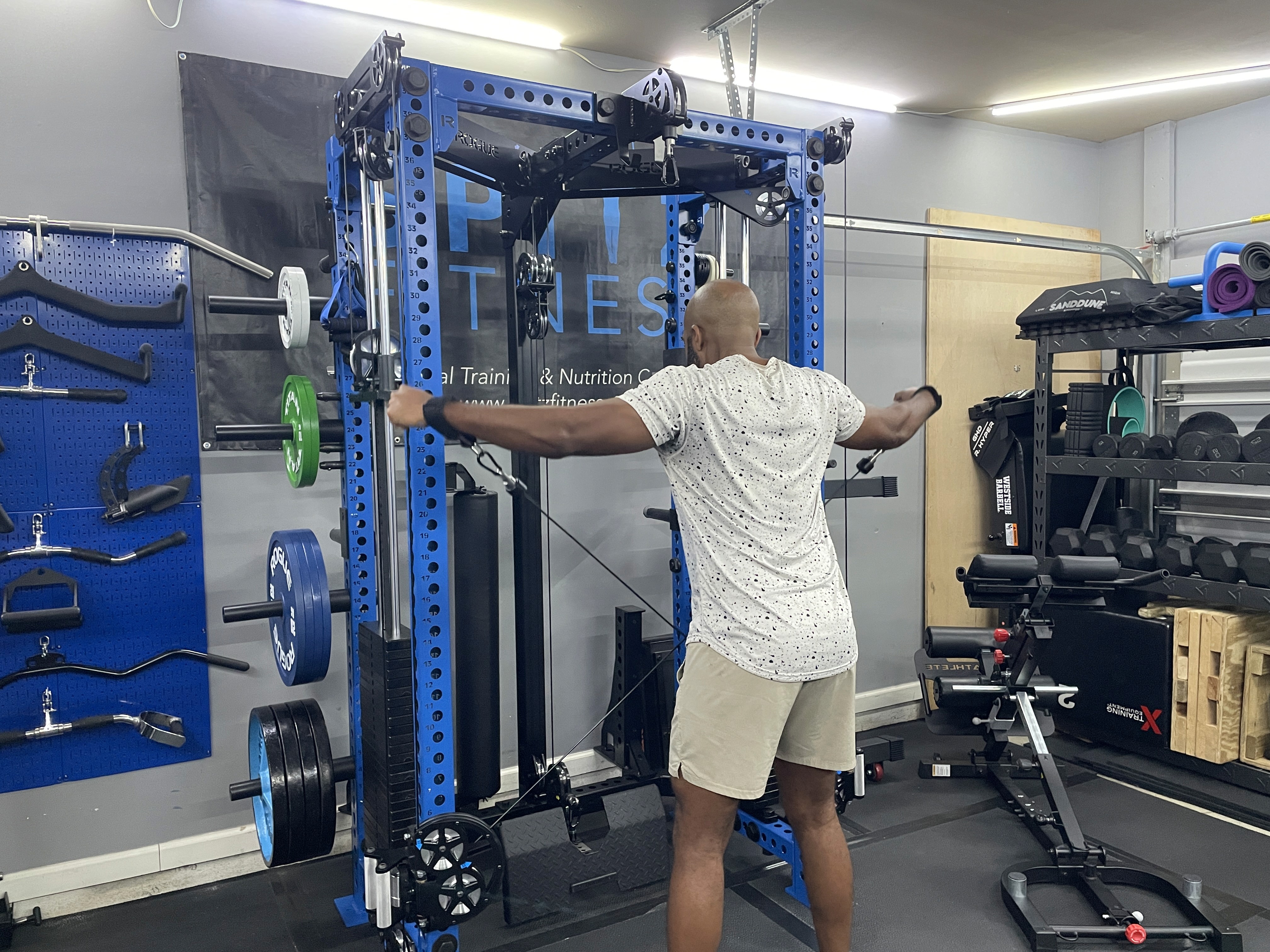
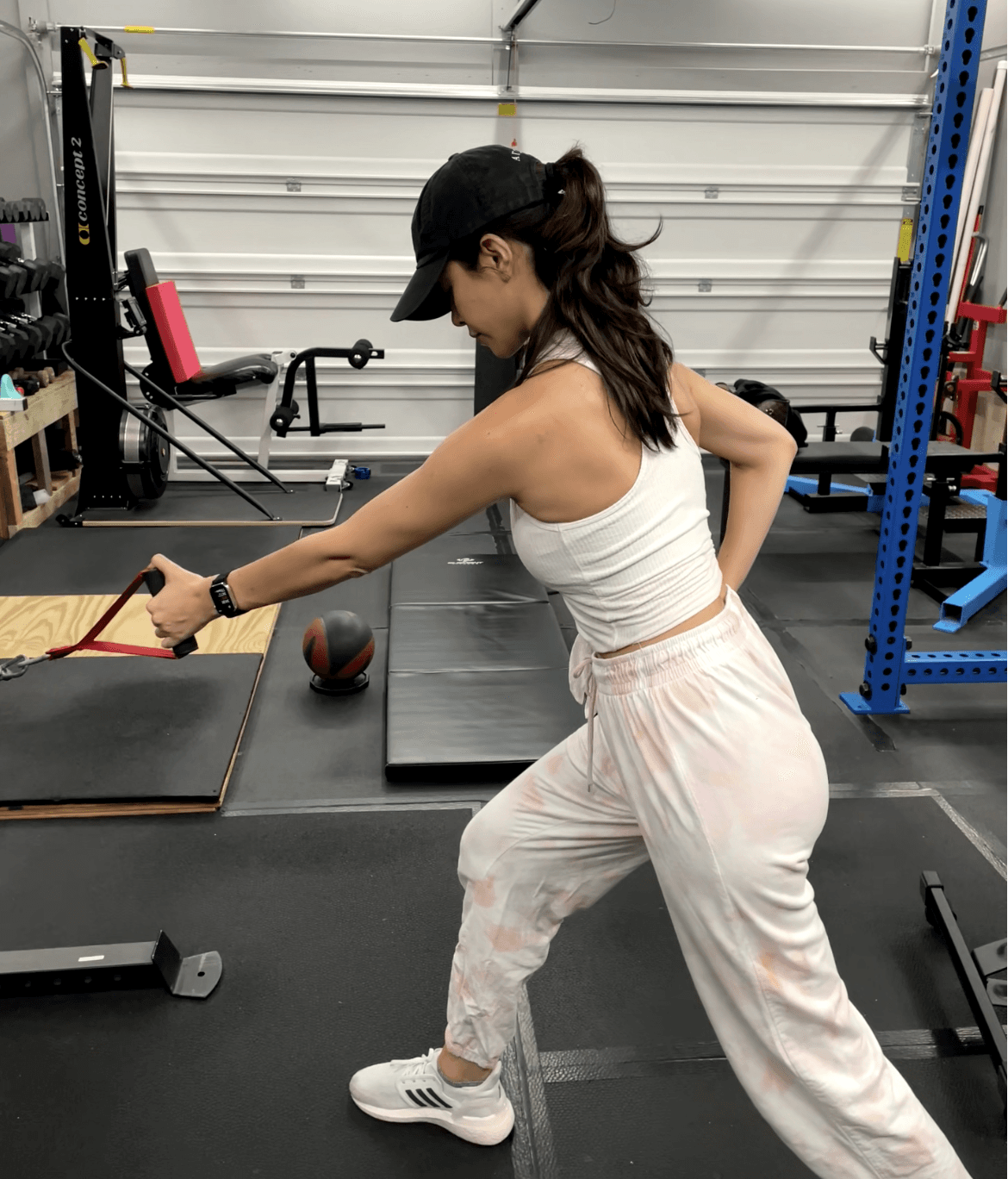
The personal training experience at a private studio is fundamentally different from working with a trainer on the floor of a commercial gym. At Spitz Fitness, every session is one on one in a fully equipped private studio with zero distractions, no waiting for equipment, and complete focus on you for the entire session.
That environment changes the quality of coaching that is possible. When your trainer is not managing shared equipment, watching multiple clients at once, or navigating a crowded gym floor, the attention you receive is categorically different.
If you are in Atlanta and looking for a trainer who takes program design, nutrition, and long-term results seriously, I would love to talk. The initial consultation is where we figure out whether we are the right fit and what a realistic program looks like for your specific goals.
Frequently Asked Questions
How do I choose a good personal trainer in Atlanta?
Look for a nationally recognized certification plus ongoing continuing education, a genuine assessment process with individualized program design, nutrition guidance integrated into coaching, and a structured accountability system like weekly check-ins.
What are red flags when hiring a personal trainer?
Cookie-cutter programs that look identical for every client, ego-driven training that measures success by how sore or exhausted you are, and no attention to your form or injury history. All three reliably predict wasted money and stalled progress.
Is a private training studio better than a big gym?
For coaching quality, yes. One-on-one sessions in a private studio mean no waiting for equipment, no distractions, and a coach whose attention is completely on you for the entire session, which changes what is possible in your training.